Blog
Menopause Midlife & all the ****
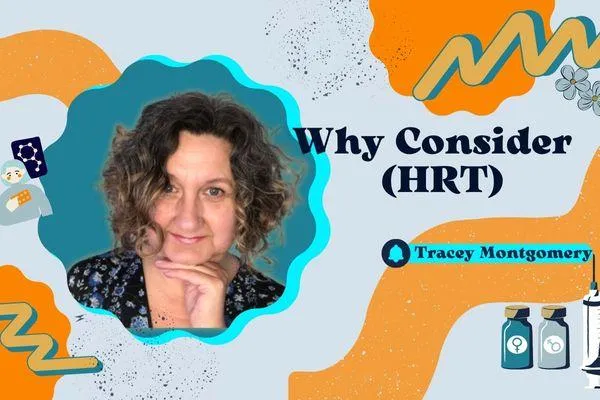
Navigating Menopause: Is Hormone Replacement Therapy Right for You?
"Every woman is different when they go through menopause, and... I didn't know emotionally how I would feel." -Angelina Jolie
Introduction:
Menopause, often referred to as the "change," is a natural and inevitable part of your life's journey. It signifies the end of the reproductive years and brings with it a host of physical and emotional changes. For many women, menopause can be a challenging and confusing time, marked by hot flashes, mood swings, sleep disturbances, and a rollercoaster of hormonal fluctuations.
As a Menopause Strategist, I've walked alongside countless midlife women on this transformative journey. Here we're going to explore a crucial topic: Hormone Replacement Therapy (HRT) and why you might want to consider it as an option during menopause. Before we dive in, it's important to remember that every woman's experience with menopause is unique, and what works for one may not work for another. It's all about finding the right path for you.

This page contains affiliate links. If you choose to purchase after clicking a link, I may receive a commission at no extra cost to you.
Understanding Menopause
Before we delve into HRT, let's briefly revisit the basics. Menopause typically occurs between the ages of 45 and 55, though it can vary from person to person, the average age to experience symptoms is registered as being 52. It is characterised by a decrease in oestrogen and progesterone production, leading to a wide range of symptoms, both physical and emotional.
The Menopausal Rollercoaster
Hot flashes that seemingly appear out of nowhere, night sweats that disrupt your sleep, mood swings that leave you feeling like a stranger in your own body – these are just a few of the challenging symptoms that can accompany menopause. It's not uncommon for women to feel overwhelmed and isolated during this time.
Enter Hormone Replacement Therapy (HRT)
HRT, or Hormone Replacement Therapy, is a medical approach that aims to alleviate menopausal symptoms by replacing the hormones (usually oestrogen and sometimes progestin) that the body is no longer producing in sufficient quantities. It can come in various forms, such as pills, patches, creams, or even vaginal rings. Now, let's delve into why you might consider HRT:
Benefits of HRT
Symptom Relief: The most significant advantage of HRT is its ability to provide relief from troublesome menopausal symptoms. Oestrogen replacement can help reduce hot flashes, night sweats, and vaginal dryness, making day-to-day life more manageable.
Improved Quality of Life: Managing menopause-related symptoms can have a profound impact on your overall well-being. When you're not constantly battling discomfort and sleep disturbances, you can focus on enjoying life to the fullest.
Bone Health: HRT has been shown to help maintain bone density, reducing the risk of osteoporosis and fractures that can become more common after menopause.
Types of HRT
There are two primary types of HRT: oestrogen-only and combination therapy (oestrogen plus progestin). The choice between them depends on various factors, including whether you've had a hysterectomy (removal of the uterus) and your individual health considerations. Your healthcare provider can guide you in selecting the most suitable option.
Risks and Considerations
While HRT can offer significant benefits, there have been some reports of risk to certain groups of women, before you discount HRT you need to discuss your viability for this therapy with your healthcare provider. It is also worth noting that these risks have diminished in recent years and are no where near as prevalent as they were. These risks may include:
Blood Clot Risk: HRT may increase the risk of blood clots, which can be especially concerning if you have a history of clotting disorders or other risk factors.
Increased Breast Cancer Risk: Some studies have suggested a slightly elevated risk of breast cancer with long-term use of HRT. However, the absolute risk increase is small, and the decision should be made on an individual basis and with the advice of your heart-care provider
A Personalised Approach
One crucial aspect to remember is that menopause is not a one-size-fits-all experience, and the same holds true for HRT. What works for one woman may not be the right choice for you. That's why it's essential to take a personalised approach after discussion with your health-care provider.
Exploring Alternatives
HRT is just one tool in the menopause toolbox. As a Menopause Strategist, I advocate for holistic approaches that encompass self-mastery techniques. Here are some alternatives and complementary methods to consider:
Meditation: Mindfulness and meditation can help reduce stress and promote emotional balance during menopause.
Diet: A balanced and nutritious diet rich in calcium and vitamin D can support bone health. Certain foods may also help alleviate symptoms, such as soy-based products for hot flashes.
Exercise: Regular physical activity can improve mood, sleep, and overall well-being. It can also help maintain a healthy weight, which is essential during menopause.
Routine: Establishing daily routines can provide structure and stability during this transformative phase of life.
Journaling: Keeping a journal can be a powerful tool for self-reflection and emotional expression. It allows you to track your menopausal journey and identify patterns in your symptoms and emotions.
Consulting Your Healthcare Provider
Before making any decisions regarding HRT or other menopause management strategies, it's crucial to consult your healthcare provider. They can assess your individual health, discuss your preferences, and provide personalised recommendations based on your unique needs.
Conclusion
In the end, the decision to explore Hormone Replacement Therapy or opt for alternative menopause management strategies is a deeply personal one. What's most important is that you feel supported, informed, and empowered to make choices that align with your unique needs and goals.
Remember that you're not alone on this journey. Whether you choose HRT, holistic approaches, or a combination of both, there's a community of women here to support you every step of the way. Embrace menopause with grace and confidence, and know that you have the tools and knowledge to navigate this transformative phase of life.
For more insights, tips, and support on your menopause journey, consider joining our thriving community at Menopause Midlife and all the ****
For those of you who prefer the video version
Check out this previous blog post here:
Menopausal Hormones Unveiled
Your Menopause Self-Mastery Checklist:
Here is a quick checklist for you to think about when taking back control and getting back on track during your menopause transition.
Embrace self-care during menopause
Develop resilience through menopause
Goal-set to thrive through menopause
Join a supportive community Menopause Midlife and all the ****
Nurture healthy relationships during menopause
Leverage emotional intelligence for menopause well-being
Self-reflect and monitor personal growth throughout your menopausal transition.


What Everyone Ought to Know About Menopause in the Workplace
07 March 2022
Menopause affects 100% of women and can have devastating effects on them, their colleagues and their workplace. Does your HR department have a Menopause in the Workplace Policy in place?

Is Your Pension Future Proof?
14 March 2022
In today's financial uncertainty have you planned for your retirement? Could you create a passive income to increase your pension pot?

Menopause Tiredness All The Time
28 March 2022
Every day my inbox is flooded with questions about menopause. People want to know why menopause causes fatigue

The Cost-of-Living Crisis and What you can do to Thrive
04 April 2022
It’s all over the news and social media, there is a rapidly developing cost of living crisis. For many there already was and has been for some time.

5 Common Symptoms of Perimenopause and Understand How to Accept Them
11 April 2022
Let’s just make it clear; 100% of women will go through perimenopause and on into menopause. 99% of women going through ‘The Change’ will experience some symptoms that can affect daily life to some degree.

Can You Start an Online Business When You're Over 50?
18 April 2022
Like most of us I didn’t always have a flexible work regime and found myself working hours for a fixed income that didn’t quite meet the lifestyle I wanted to lead.
In fact, it was not all that long ago that I had to totally reassess what I was doing and where I wanted to be.
26 April 2022
Coping With Empty Nest Syndrome as a Single Parent
As if coping with midlife, erratic hormones and perimenopause was not enough, the children who you have spent the most significant part of your life nurturing and raising are ready to leave home and spread their wings.

Email: info@traceymontgomery.org